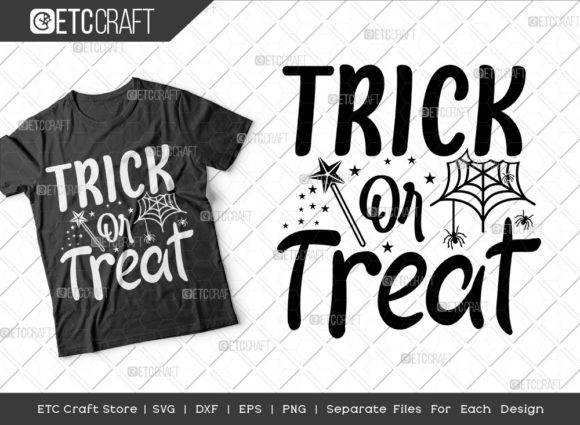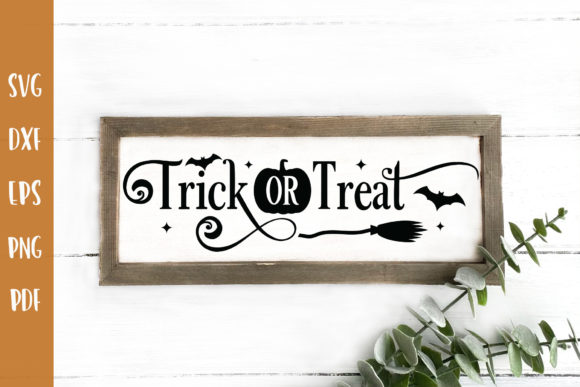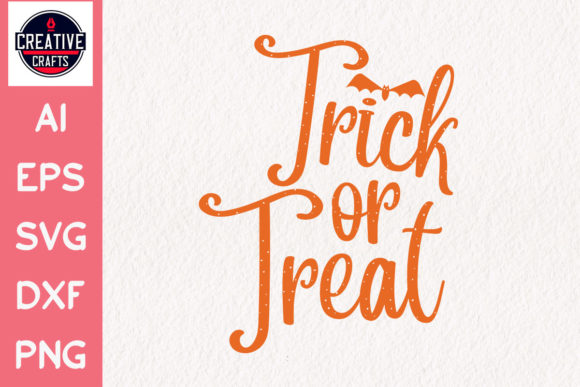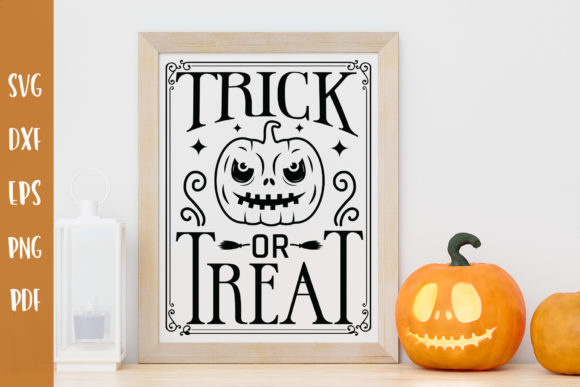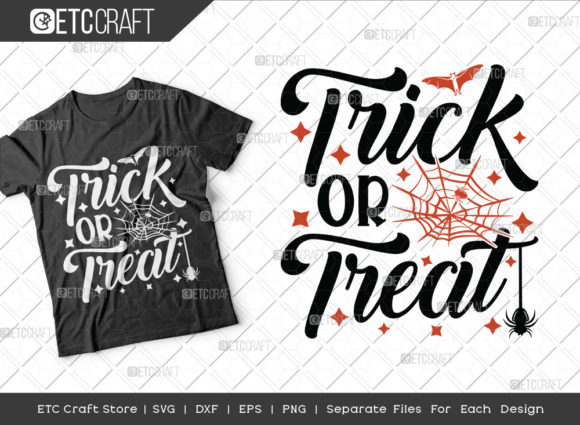
Trick or Treat SVG Cut File Spider Web
As a designer who spends half my life in the embroidery studio and the other half staring at screen mockups, I don’t just look at a design file; I look at how it will behave under the needle. When I first pulled up Trick or Treat SVG Cut File Spider Web, I wasn’t looking for a generic Halloween clipart to slap on a t-shirt. I was looking for something with character, something that could anchor a seasonal collection without feeling cheap or overly cluttered. This file caught my eye not because of flashy colors—since we are dealing with vector graphics—but because of its structural promise. It sits squarely in the intersection of Crafts and Graphics, offering versatility that is rare in holiday-specific assets.
The First Impression: Mood and Visual Personality
The moment you open this digital embroidery file, the theme is unmistakable, but the execution feels thoughtful. The combination of the classic "Trick or Treat" sentiment with the intricate geometry of a spider web creates a balance between playful and spooky. In my experience, holiday designs often fall into one of two traps: they are either too childish for adult apparel or too complex for quick machine stitching. This design seems to navigate that middle ground effectively. The web provides a natural framing device, allowing the text to take center stage while adding texture around the edges. It has a visual weight that suggests it would work beautifully as a focal point on a garment or as a standalone decorative element on home goods.
For an Etsy seller or small business owner, this kind of balanced composition is gold. It allows for creative freedom in thread selection. You aren’t locked into a single color palette. The structure invites you to experiment with metallic threads for the web to catch the light, or perhaps a contrasting bright orange for the text against a deep black background. The design assets feel ready for immediate adaptation, which is crucial when you are trying to turn around custom orders quickly.
Real-World Application: From Screen to Stitch
I recently imagined using this design for a batch of custom embroidered tote bags intended for a local autumn market. The scenario was specific: parents buying gifts for their kids, looking for something durable yet festive. Here is how I envision Trick or Treat SVG Cut File Spider Web performing in that context.
On a canvas tote bag, the spider web motif translates exceptionally well. The linear nature of the web lines mimics the grain of the fabric, creating a cohesive look. If I were digitizing this for machine embroidery, I would likely use a combination of running stitch for the delicate outer strands of the web and a denser fill stitch for the central text area to ensure legibility. The result would be a tactile product that feels premium. Customers can run their fingers over the raised stitches, and the contrast between the smooth web lines and the textured lettering adds a layer of sophistication that elevates the perceived value of the handmade product.
Beyond totes, this design has strong potential for sweatshirt embroidery. Placed on the front pocket of a hoodie or centered on the chest of a crewneck, the web pattern can frame the wearer’s torso nicely. For baby embroidery, such as on a onesie or burp cloth, the design offers a softer approach to Halloween. It isn’t scary; it’s whimsical. This makes it an excellent choice for personalized gift markets where parents want to participate in the holiday spirit without overwhelming their infants with dark imagery. The versatility here supports a wide range of custom apparel projects, from nursery decor to holiday party outfits.
Where Caution Is Required
However, no design is perfect for every surface. As I evaluate Trick or Treat SVG Cut File Spider Web, I have to flag a few areas where an embroiderer needs to exercise judgment. The intricate details of a spider web can sometimes get lost if the hoop size is too small. If you attempt to stitch this on a tiny patch or a very small cap panel, the fine lines of the web may merge together, losing their definition and turning into a muddy blob of thread.
Fabric choice is equally critical. While this design looks great on stable fabrics like cotton twill or denim, it requires careful planning on stretchy materials like jersey knits. Without proper stabilizer support, the tension of the stitch density could pucker the fabric, ruining the clean lines of the web. Similarly, on highly textured fabrics like chunky waffle knit or fleece, the smaller details might get swallowed by the nap of the material. In these cases, I recommend simplifying the web or increasing the scale of the design to ensure clarity. Also, consider the end use: items that require frequent washing, like aprons or kitchen towels, benefit from a robust stitch plan to prevent snagging on the finer web strands.
Designer Notes for Optimal Results
To get the most out of this file, especially if you are incorporating it into your craft business workflow, there are several technical steps I always recommend before committing to a final production run.
- Test on Scrap Fabric: Never assume a vector translates perfectly to thread. Always run a test stitch-out on the exact fabric you plan to use. This helps you see how the fabric texture interacts with the stitch density.
- Check Thread Color Contrast: The success of this design hinges on contrast. A black web on a black shirt won’t pop, regardless of the stitch type. Test various thread colors to find the right balance. Metallics work wonders for webs, while solid, bold colors work best for the text.
- Review Stitch Density: Ensure the digitization (if you are converting this yourself) doesn’t create excessive bulk. Too much thread in the fill areas can make the garment stiff and uncomfortable, especially for children’s wear.
- Inspect Small Details: Zoom in on the corners of the web. Are the lines crisp? Do they need reinforcement? Sometimes, a slight adjustment in the satin stitch width can make a huge difference in longevity.
- Black and White Mockups: Before adding color, view the design in grayscale. This helps you judge the balance and composition without being distracted by hue. If the shapes hold up in black and white, they will hold up in color.
Furthermore, always confirm licensing terms. If you plan to sell finished items made with this commercial embroidery asset, ensure you have the appropriate rights. Many digital files come with restrictions on resale, so reading the fine print protects your small shop product line from legal issues.
Final Verdict
Trick or Treat SVG Cut File Spider Web is more than just a seasonal decoration; it is a versatile tool for any designer looking to add a touch of elegance to their Halloween offerings. Its strength lies in its adaptability—it works just as well on a high-end boutique pillow cover as it does on a fun, mass-produced tote bag design. By paying attention to fabric choice, stitch quality, and thread contrast, you can transform this simple graphic into a standout finished product that customers will love.
Whether you are an experienced Etsy seller expanding your holiday inventory or a hobbyist making a unique personalized gift for a neighbor, this design offers a reliable foundation for creativity. It respects the craft of embroidery while delivering the visual punch needed to capture attention in a crowded marketplace. Just remember to respect the limits of the medium, test thoroughly, and let the quality of your execution speak for itself.