Halloween SVG Design Trick or Treat
As a designer who spends more time than I care to admit staring at stitch lines and evaluating the viability of digital assets for real-world production, I approach every new embroidery file with a mix of optimism and skepticism. The market is saturated with generic clip art that looks fine on a screen but falls apart under the needle. When I pulled up the Halloween SVG Design Trick or Treat, my first instinct was to look past the festive theme and evaluate its structural integrity as a machine embroidery design. After testing it in various scenarios—from personal holiday gifts to potential craft business inventory—I have some practical insights to share about whether this asset deserves a spot in your workflow.
First Impressions and Visual Personality
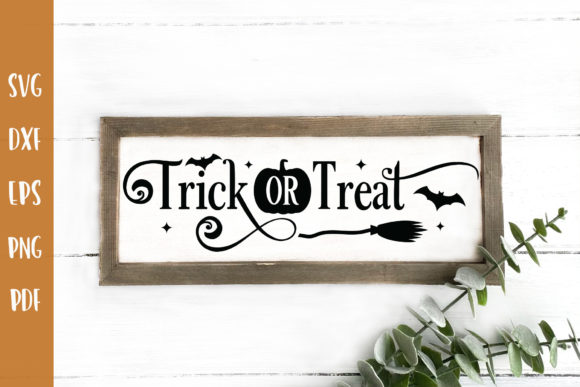
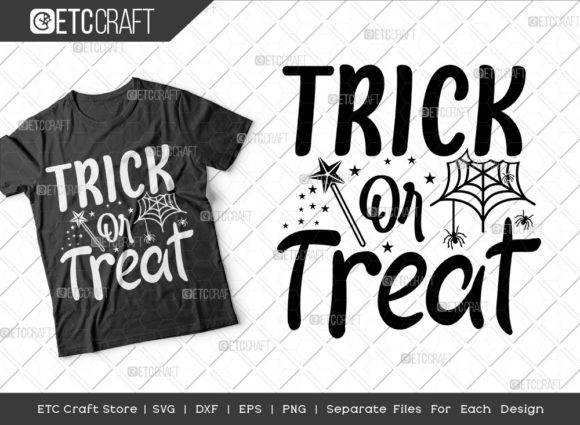
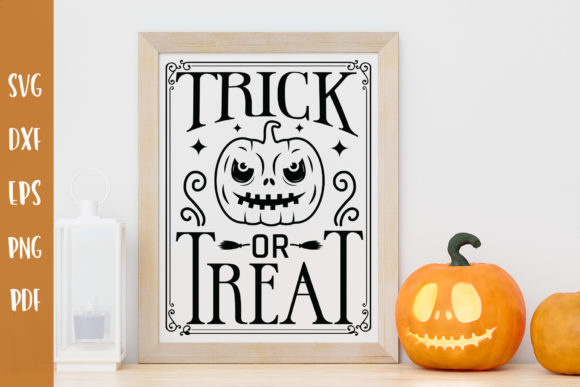
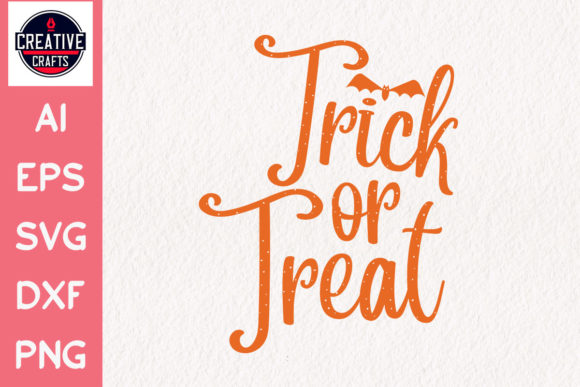
The moment you open the file, the mood is immediately established. This isn’t just a spooky skeleton; it’s a playful, narrative-driven piece centered around the classic "Trick or Treat" concept. For designers creating personalized gift items or boutique merchandise, this distinction matters. It feels approachable rather than terrifying, which opens up a wider demographic for your finished products. The layout is balanced, suggesting that the designer behind the original vector understood composition before converting it into an embroidery project.
Visually, the design relies on clean lines and distinct shapes. In the world of digital graphics, this translates to sharp edges. But in embroidery, sharp edges can be tricky. They require precise digitizing to avoid puckering or thread breaks. From what I can see in the preview files, the stitch density appears moderate, which is a good sign. It suggests that the design won’t weigh down lightweight fabrics like cotton tea towels or thin jersey knits, making it versatile for both apparel and home decor applications.
Real-World Application: Where Does It Shine?
I believe the strongest use case for Halloween SVG Design Trick or Treat lies in the realm of seasonal retail and personalized gifting. Let’s talk about a specific scenario: preparing a batch of custom embroidered tote bags for a local craft fair or an Etsy listing. A sturdy canvas tote bag provides a stable base for embroidery. Placing this design on the front pocket or center chest area creates a focal point that screams "holiday ready." Customers love items that feel timely and thematic, and this design hits that sweet spot without being overly cluttered.
Another excellent application is sweatshirt embroidery. Fall and winter garments are heavy, providing a perfect counterbalance to the thread weight of an applique design or dense fill stitches. If you are a small shop owner looking to expand your inventory for Q4, this design fits seamlessly into a collection of autumnal themes. It also works beautifully on baby clothes—think onesies or burp cloths. The "Trick or Treat" quote is cute enough for infants, allowing parents to buy these as early Halloween keepsakes. However, when working with baby embroidery, always ensure the back of the design uses soft backing or water-soluble stabilizer to prevent irritation against delicate skin.
For those dealing in digital products, this asset is valuable as part of a larger bundle. Selling it alongside other design assets allows you to target buyers who are specifically searching for holiday-themed collections. It adds variety to your store and increases the perceived value of your brand as a go-to source for commercial embroidery resources.
Technical Considerations and Potential Pitfalls
No design is perfect, and knowing where a design might fail is just as important as knowing where it succeeds. There are several areas where Halloween SVG Design Trick or Treat requires careful handling.
- Small Hoop Sizes: If you attempt to digitize or embroider this on a very small hoop (under 4x4 inches), you risk losing detail. The lettering and any intricate parts of the trick-or-treating character may become muddy. Always check the bounding box of the design relative to your machine’s minimum hoop size.
- Fabric Texture and Stability: Avoid using this on highly textured fabrics like chunky waffle knits or loose-weave burlap unless you are using a heavy-duty stabilizer. The needle penetration could cause distortion. Similarly, stretchy fabrics like spandex blends need a strong tear-away or cut-away stabilizer to keep the satin stitch edges crisp and prevent the fabric from wavering during stitching.
- Dark Fabrics: If you are embroidering this on black or dark navy caps or hoodies, you will likely need a substantial amount of white or light-colored underlay and top thread. This increases the total thread count and stiffness of the final product. Test this carefully to ensure the design doesn’t feel like a hard plastic patch once finished.
- Dense Stitch Areas: Pay close attention to any filled areas in the design. High-density fill stitches can create a "ridge" effect if not programmed correctly. If the design uses too much thread in one spot, it may pull the fabric and distort the shape of the garment, especially around necklines or sleeve cuffs.
Practical Designer Notes for Production
Before committing to a full production run, or even before listing the item on your Etsy seller platform, follow these steps to ensure quality control.
- Test on Scrap Fabric: Never skip this step. Embroidery behaves differently on different materials. A design that looks great on denim might pucker badly on rayon. Run a test stitch-out to see how the threads interact with your chosen fabric.
- Check Thread Color Contrast: The visual impact of this design depends heavily on color choice. Ensure that the text and main elements stand out clearly against the background. Low contrast can make the design look dull or unfinished.
- Review Stitch Density: If you are editing the file in Adobe Illustrator or another vector program before conversion, look for overlapping paths that might cause excessive thread buildup. Smooth transitions between running stitch and fill stitch sections help maintain a professional finish.
- Confirm Licensing: Since this is a digital download containing AI and SVG files, verify the commercial usage rights. Can you sell unlimited finished products? Are there restrictions on the number of items? Clarifying this protects your small business from legal issues.
- Inspect Small Details: Zoom in on the digital file. Are there tiny decorative accents that might get lost in stitching? Sometimes, simplifying minor details improves the overall clarity of the finished product.
Final Verdict
The Halloween SVG Design Trick or Treat is a solid addition to any designer’s library. It strikes a balance between festive charm and technical feasibility. It is well-suited for custom apparel, home decor items like pillow covers, and wearable accessories. While it requires standard precautions regarding fabric choice and stabilization, its versatility makes it a high-value asset for both hobbyists and professional embroidery designers.
If you are looking to add a touch of seasonal whimsy to your next project, this design delivers. Just remember that the magic happens in the execution—proper setup, quality thread, and careful finishing will transform this digital file into a treasured handmade product. Whether you are creating a single gift for a friend or building a catalog for your online shop, this design offers the reliability and appeal needed to engage customers and drive sales.