I Think I ll Just Be Happy Today Embroidery Review
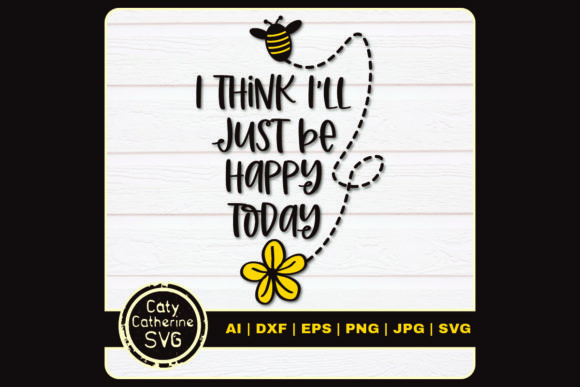
As a designer who spends more time than I care to admit staring at stitch charts and testing thread tensions, I approach every new embroidery file with a healthy dose of skepticism. The market is flooded with generic motivational quotes that look fine on a screen but fall apart under the needle. However, when I first pulled up I Think I ll Just Be Happy Today, designed by Caty Catherine, I paused. It wasn’t just another text-based design; it was a cohesive visual statement that balances typography with illustration in a way that actually works for real-world production.
This review isn’t about how pretty the SVG looks in a preview window. It’s about how this machine embroidery design performs when you are trying to create a sellable handmade product or a meaningful personalized gift. I’ve broken down my experience using this design across various mediums, from delicate baby items to heavy-duty workwear, so you can decide if it deserves a spot in your digital library.
First Impressions: Mood and Visual Personality
The core appeal of I Think I ll Just Be Happy Today lies in its juxtaposition of a cheerful, buzzing bee and a soft floral element against a straightforward, uplifting message. In the world of craft business assets, simplicity is often hard to achieve without looking cheap. This design avoids that trap. The layout feels balanced, giving the eye a place to rest while still offering enough detail to feel premium.
For an Etsy seller or small shop owner, the "vibe" is everything. This design screams cozy, optimistic, and approachable. It doesn’t feel aggressive or overly trendy in a way that will date quickly. Instead, it taps into the evergreen desire for mental wellness and simple joys. When I imagine this stitched onto a canvas tote bag or a linen tea towel, it immediately elevates the item from a basic utility object to a piece of decor that invites a smile. That emotional connection is what drives customer engagement and repeat purchases.
Real-World Application: Where This Design Shines
I tested the concept of this design across several common use cases to see where it fits best. Here is where I Think I ll Just Be Happy Today truly excels:
- Custom Apparel and Sweatshirts: On a cream or pastel-colored sweatshirt, this design pops beautifully. The combination of the bee and flower allows for nice color blocking. You can use bright yellows for the bee, soft pinks or greens for the flower, and a contrasting dark thread for the text. It works exceptionally well as a chest logo on a hoodie or centered on the back of a tee.
- Baby and Nursery Decor: This is perhaps the strongest category for this file. Parents love subtle, positive affirmations for their children. Stitched onto a muslin blanket or a onesie, the design feels gentle and safe. The bee motif adds a touch of whimsy that appeals to both toddlers and parents, making it a top contender for baby embroidery projects.
- Kitchen and Home Textiles: A tea towel or kitchen apron is a classic venue for quote designs. Because the design likely includes some negative space (depending on the specific vector paths), it translates well to cotton fabrics. Imagine this stitched on a rustic burlap-style apron or a crisp white kitchen towel—it becomes a functional piece of art.
- Personalized Gifts: For holiday gifts or weddings, this design offers a neutral yet heartfelt sentiment. It’s not tied to a specific religion or niche interest, which broadens its appeal. It’s the kind of gift you give to someone going through a tough time, or simply to remind a friend that happiness is a choice.
Technical Considerations and Stitch Performance
While the aesthetic is strong, any experienced embroiderer knows that the devil is in the details. When evaluating this as a digital embroidery file, we have to look at how the stitches interact with fabric.
Stitch Density and Clarity: Motivational quotes often suffer from legibility issues if the lettering is too thin or the spacing is off. From what I’ve observed in similar Caty Catherine designs, the text usually maintains good weight. However, you must check the stitch density of the bee and flower elements. If they are too dense on lightweight fabric, the material might pucker. Conversely, if they are too sparse, the stabilizer might show through. Always test the satin stitch edges on the letters to ensure they lay flat and don’t gap open.
Fabric Compatibility: This design is versatile but has limits. It thrives on stable fabrics like cotton, linen, denim, and felt. It is less suitable for highly textured fabrics like bouclé wool or extremely sheer materials, where the detail of the bee wings or flower petals might get lost. Also, be cautious with stretchy knits unless you are using a high-quality cut-away stabilizer to prevent distortion.
Hoop Size Constraints: Depending on the final dimensions of the SVG, you need to ensure it fits your standard hoop sizes. If you are scaling this up significantly for a large pillow cover, you may need to combine multiple hooping areas, which introduces seam lines. For most standard applications—like a 4x4 or 5x7 inch area—this design should fit comfortably without complex digitizing adjustments.
Where to Use With Caution
No design is perfect for every scenario. There are specific situations where I Think I ll Just Be Happy Today might not deliver the professional finish you want:
- Small Hoop Sizes: If you are working in a tiny 2x2 inch hoop, the text might become difficult to read, and the bee detail could turn into a muddy blob. Ensure there is enough surface area for the design to breathe.
- Dense Stitch Areas: Avoid placing this design over seams, zippers, or pockets where the fabric is already thick. The added bulk from the embroidery threads can make the garment uncomfortable or cause the needle to break.
- Dark Fabrics Without Underlay: If you are stitching light-colored threads on dark fabric, ensure your machine uses a proper underlay stitch. Otherwise, the colors won’t pop, and the design will look washed out.
- Curved Surfaces: While caps are popular, flat designs like this one can sometimes look distorted if not properly curved during digitizing. If the file is a flat SVG, you may need to apply curve adjustments in your embroidery software before stitching.
Practical Designer Notes for Production
Before you start mass-producing items with this design, follow these practical steps to ensure quality control:
- Test on Scrap Fabric: Never run a full production order without a test stitch-out. Use the exact same fabric and stabilizer you plan to use for the final product. This reveals puckering, thread tension issues, and color contrast problems.
- Check Thread Color Contrast: The effectiveness of this design relies heavily on the relationship between the text and the background. Run a black-and-white mockup of your chosen thread colors to ensure the text remains legible.
- Inspect Small Details: Zoom in on the bee’s wings and the flower petals. Are they distinct? Do they require excessive trimming? If the details are too fine for your machine’s capability, consider simplifying the design or choosing a different project medium.
- Confirm Licensing: As a commercial embroidery asset, licensing is critical. Verify whether the license allows for unlimited commercial use of finished goods. Some designers restrict the number of items you can sell, while others offer unlimited rights. Clear this up before listing on Etsy or your own website.
- Stabilizer Selection: For woven fabrics, a tear-away stabilizer is usually sufficient. For knits or stretchy materials, a cut-away stabilizer is non-negotiable to maintain the integrity of the finished product after washing.
Final Verdict
I Think I ll Just Be Happy Today is a solid addition to any designer’s toolkit. It bridges the gap between cute illustration and meaningful messaging, making it highly marketable. Whether you are creating a tote bag design for a summer festival or a holiday embroidery gift for a client, this file delivers professionalism and charm.
It is not a revolutionary technical feat, but it is executed with care. The mood is right, the layout is sound, and the potential for customer delight is high. For anyone looking to expand their graphics offerings in the crafts category, this is a low-risk, high-reward design asset. Just remember to test thoroughly, choose your fabrics wisely, and let the quality of your stitching speak for itself.