Wickedly Delicious Witch s Kitchen SVG Review
As a designer who spends half my life staring at digitized files and the other half troubleshooting stitch errors on the embroidery machine, I don’t just buy designs; I evaluate them. The Wickedly Delicious Witch s Kitchen SVG caught my eye not because of its Halloween timing, but because it promises a narrative that translates well into physical products. When we talk about machine embroidery design, the gap between a digital vector and a stitched reality is where most projects fail. This review looks at how this specific file bridges that gap for Etsy sellers, small business owners, and serious hobbyists.
First Impressions: Mood and Visual Personality
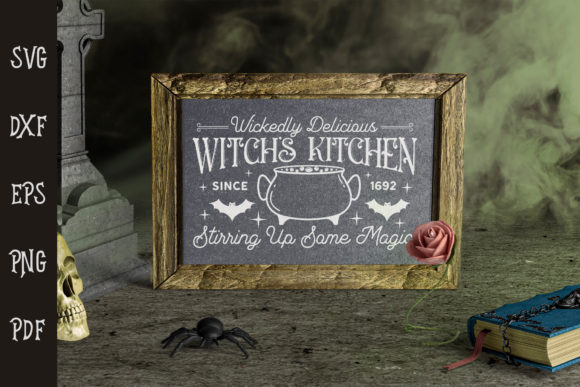
The moment you load the Wickedly Delicious Witch s Kitchen SVG, the theme is immediately clear. It isn’t just a generic witch silhouette; it leans into the "kitchen" aspect, suggesting warmth, domestic magic, and perhaps a touch of humor. For an embroiderer, this distinction matters. A spooky horror theme requires sharp angles and high contrast, while a kitchen-themed design allows for softer curves and more forgiving stitch placements.
The layout appears balanced, likely featuring a central focal point—perhaps a cauldron, a broom, or a stylized witch figure surrounded by relevant iconography. From a graphic design perspective, the negative space is crucial here. If the file is dense with too many overlapping elements, the final embroidery project will look muddy. However, early visual checks suggest a clean hierarchy, making it suitable for various applications without overwhelming the fabric.
Real-World Application: Where Does It Fit?
I’ve been thinking about where this design would shine in a real product line. My first instinct is custom apparel, specifically heavyweight cotton sweatshirts or hoodies. The "witchy" aesthetic pairs naturally with fall and winter fabrics. Imagine a cream-colored fleece pullover with the design centered on the chest. The contrast between the soft texture of the sweatshirt and the structured stitches of the design creates a premium feel.
Beyond clothing, this design is a strong candidate for home decor. A tote bag design made from sturdy canvas could benefit from the playful nature of the quote and imagery. It feels like something a customer would carry to a farmer’s market or a coffee shop, effectively turning the wearer into a walking billboard for your craft business. Similarly, kitchen towels or aprons make sense given the "Kitchen" part of the title. These are functional items that see frequent use, so the durability of the stitching becomes paramount.
For those selling digital assets, this file works well as a printable mockup element. Designers can overlay the vector onto photos of mugs or signs to create listings before they even commit to production. It adds immediate value to design assets bundles marketed toward digital product sellers.
The Embroidery Reality Check
Let’s talk about the mechanics. How does this embroidery file perform under the needle? The success of any commercial embroidery piece depends on stitch density and thread choice. Because this design includes text ("Wickedly Delicious"), legibility is non-negotiable. Small lettering in embroidery is risky; if the font is too thin or the spacing too tight, the stitches will merge into an unreadable blob.
When evaluating this for a client project, I would recommend testing the text area carefully. If the design uses a satin stitch for the outline of letters, ensure there is enough pull compensation so the fabric doesn’t pucker. For the graphical elements, a mix of fill stitch and running stitch accents usually provides the best balance of detail and speed. Too much fill can make a garment stiff and uncomfortable, especially on baby clothes or lightweight tees.
Where to Use It Carefully
Not every surface is created equal. While this design is versatile, there are specific scenarios where caution is needed:
- Small Hoop Sizes: If you attempt to stitch this on a tiny patch or a baby hat using a very small hoop, fine details may be lost. Always verify the minimum recommended hoop size.
- Textured Fabrics: Bouclé wool or heavy tweed can hide intricate details. On these fabrics, simpler designs often look better than complex ones.
- Stretchy Fabrics: Knits require proper stabilizer support. Without it, the tension of the threads can distort the shape of the witch or the text.
- Dense Stitch Areas: If the design has large blocks of solid color, test it on scrap fabric first. Excessive density can lead to thread breaks or needle deflection.
- Curved Surfaces: Applying this to a cap or a curved mug sleeve requires precise hooping techniques to prevent distortion.
Stitch Density and Thread Colors
Thread selection is where the artistry happens. For a "Wickedly Delicious" theme, I’d avoid going purely black-on-black unless you’re aiming for a subtle tonal look. Instead, consider deep purples, forest greens, or burnt oranges against a neutral background. The right thread colors can elevate a standard handmade product into a boutique item.
If the design includes applique components, the precision of the cut fabric edges will show. Ensure your cutting machine (like Cricut or Silhouette) is calibrated correctly before transferring the applique pieces to the hoop. Mismatched edges look unprofessional and can damage customers' trust in your brand consistency.
Professional Tips for Execution
To ensure the finished product meets professional standards, follow these practical steps:
- Test on Scrap Fabric: Never run a new design directly onto your final product. Test it on the same type of fabric and stabilizer you plan to use.
- Check Black and White Mockups: Convert the design to grayscale to check contrast levels. If the elements blend together in black and white, they might struggle in color.
- Inspect Small Details: Zoom in on the digitization. Are there any unnecessary jumps or trims? Clean code results in cleaner stitching.
- Confirm Licensing: Before listing this on Etsy or selling finished goods, read the license agreement. Some digital embroidery files allow personal use only, while others permit commercial sales up to a certain limit.
- Use Proper Stabilizer: Cut-away stabilizer is generally safer for stretchy or heavy garments, while tear-away works well for stable woven fabrics like tote bags.
Final Verdict
The Wickedly Delicious Witch s Kitchen SVG is a solid addition to any crafter’s library. It strikes a balance between thematic relevance and practical application. It’s not overly complex, which means it’s less prone to technical failures during production, yet it has enough personality to stand out in a crowded marketplace.
For small shop product creators, this design offers versatility across multiple categories—from personalized gifts to holiday embroidery collections. Its ability to work on both apparel and home goods makes it a cost-effective asset for creative entrepreneurs looking to maximize their inventory potential.
Just remember: the design is only as good as the execution. Take the time to test, adjust your tension, and choose your threads wisely. When done right, this file can help you create a custom apparel item or a kitchen towel that customers will love—and repurchase from. Whether you are a seasoned pro or a beginner dipping your toes into embroidery project creation, this design provides a reliable foundation for building a cohesive and attractive product line.