Review: Come in for a Spell SVG Cut File
As a designer who spends half my life staring at stitch maps and the other half trying to sell handmade goods, I don’t just look at an embroidery file; I look at its potential. I look at how it will behave on fabric, how it will hold up after ten washes, and whether it will actually resonate with a customer scrolling through their phone at 10 PM. That is exactly how I approached evaluating the Come in for a Spell SVG Cut File. This isn't just a digital asset; it is a commercial opportunity waiting to be stitched into existence.
First Impressions: Mood and Visual Personality
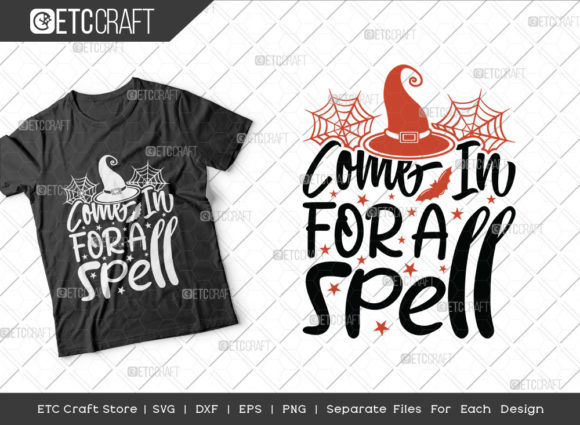
The phrase "Come in for a Spell" immediately sets a tone. It is playful, slightly mischievous, and deeply rooted in the Halloween aesthetic without being overly scary. For an embroidery project, this balance is crucial. If a design is too dark, it alienates casual buyers. If it is too cute, it loses its edge. This design strikes a perfect middle ground, making it ideal for a wide range of audiences.
Visually, the layout suggests a strong typographic focus, likely accompanied by thematic elements like bats or whimsical spell-related iconography. In my experience, text-heavy designs are high-risk, high-reward. They require precise digitizing to ensure readability, especially when using satin stitch techniques. The visual personality here feels confident and bold, which translates well to larger format products where the message needs to be readable from a distance.
Real-World Application: Where Does This Design Shine?
Let’s talk about real use cases. I recently imagined taking this machine embroidery design and applying it to a custom embroidered tote bag for a local craft fair. The contrast of a dark, sturdy canvas against bright, vibrant thread colors would make the quote pop. Tote bags are a staple for Etsy sellers and small shop owners because they are low-cost to produce but have high perceived value. A witty quote like this turns a simple utility item into a statement piece.
Another scenario that comes to mind is holiday embroidery on sweatshirts. As we approach the fall season, demand for cozy, themed apparel spikes. Applying this design to a heather grey or black sweatshirt creates an instant bestseller. The humor in the quote invites engagement—customers love wearing things that make them smile or spark conversation. It fits perfectly into the category of personalized gifts, where a buyer might purchase one for themselves and another for a friend who loves witches or spooky season vibes.
I also see strong potential in baby embroidery items. While the quote has a slight edge, the font style (assuming it is rounded or playful) could work beautifully on baby onesies or burp cloths for parents who enjoy a bit of dark humor. It differentiates your brand from the typical pastel-only nursery collections, offering something unique for modern parents.
Technical Considerations for Embroidery Designers
Before you hit the start button on your machine, there are practical steps every professional takes. First, always test the design on scrap fabric. Fabric texture plays a massive role in how a stitch density appears. On a loose-weave linen, the stitches might look bulky; on a tight cotton twill, they might disappear. You need to find the sweet spot.
Pay close attention to the hoop size required. If the design includes large areas of fill stitch, ensure your hoop can accommodate it without excessive trimming. Also, inspect the small details. If the design includes tiny bats or intricate decorative accents, check if they will remain distinct after stitching. Tiny details often merge together if the thread colors are too similar or if the resolution is too low.
Stabilizer choice is non-negotiable. For a design like this, which likely involves both text and graphics, a cut-away stabilizer is often best for durability, especially if the finished product will be washed frequently. If you are working on stretchy fabrics like jersey knits for t-shirts, a tear-away or water-soluble top stabilizer can prevent puckering and keep the satin stitch edges crisp.
Where to Use With Caution
Not every surface is created equal. I would advise caution when using this design on curved surfaces like caps or hats unless you have specific software support for 3D puff or multi-hooping. Curved surfaces can distort text, making "Come in for a Spell" look slanted or uneven. Similarly, avoid using this on thin, sheer fabrics without proper backing, as the weight of the embroidery can cause tearing.
Dense stitch areas should also be scrutinized. If the design packs too much thread into a small space, it can become stiff and uncomfortable to wear. For custom apparel, comfort is key. If the back of the embroidery feels like a hard plate, customers may return the item. Always check the underside of your test stitch-out to ensure the underlay is balanced.
Impact on Brand and Sales
From a business perspective, using a well-executed digital embroidery file like this can elevate your entire brand. When customers receive a handmade product with clean, precise stitching, it builds trust. It signals that you care about quality. A sharp, clear quote on a tote bag design or sweatshirt embroidery looks professional and intentional.
This design also lends itself well to printable mockups for your online store. High-quality images of the design on various products can increase click-through rates. Buyers want to visualize the final result before purchasing. If you are selling the SVG cut file itself as a graphics asset, ensure your previews show the design in context—on a mug, a shirt, or a sign—to help buyers understand its versatility.
Final Verdict
The Come in for a Spell SVG Cut File is a versatile, market-ready asset. It offers a blend of humor and seasonal charm that appeals to a broad demographic. Whether you are creating commercial embroidery pieces for a boutique or adding value to your craft business listings, this design has proven utility.
Remember to verify the licensing terms before selling finished items. Confirm whether you are allowed to sell physical goods made from the design and if there are any restrictions on volume. Check the available file formats—SVG, DXF, EPS, and PNG offer flexibility for both embroidery machines and vinyl cutters, allowing you to diversify your product line.
In summary, this is a solid addition to any designer’s library. It is practical, visually appealing, and commercially viable. Just remember: the difference between a good product and a great one lies in the execution. Test your threads, choose your fabric wisely, and let the quality of your stitching speak for itself.