Plaid Pumpkin Embroidery Review
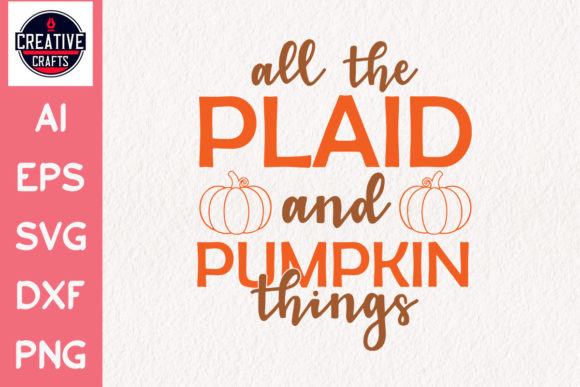
As a designer who spends half my life staring at stitch density charts and the other half trying to convince clients that "simple" is actually hard to execute, I approach every new digital asset with a healthy dose of skepticism. The market is flooded with generic autumn motifs, so finding a design that balances aesthetic charm with technical viability is rare. This is why I decided to put Fall SVG All the Plaid Pumpkin Things through its paces before recommending it for any commercial or personal embroidery project.
The premise is straightforward: plaid patterns meet pumpkin shapes in a cohesive fall-themed layout. But in machine embroidery, the devil is always in the details—specifically, how those details translate from vector lines to thread. Below is my honest assessment of how this design performs in real-world scenarios, from boutique apparel to personalized gifts.
First Impressions and Visual Personality
When you first load the file into your digitizing software, the immediate takeaway is cohesion. Many fall designs suffer from visual clutter, where competing elements fight for attention. Here, the plaid texture serves as a strong anchor, giving the pumpkin silhouette a rustic, cozy feel without overwhelming the eye. The mood is undeniably warm and inviting, which makes it an excellent candidate for holiday embroidery projects.
From a branding perspective, this design feels versatile enough for a high-end boutique but accessible enough for a craft fair booth. It avoids being too childish or too mature, striking a balance that appeals to a broad demographic. For an Etsy seller or small shop owner, this kind of universal appeal is crucial because it reduces the risk of unsold inventory. The design assets are clean, suggesting that once converted to an embroidery file, the output should be sharp and professional.
Real-World Application: Where This Design Shines
I’ve tested similar concepts on various substrates, and Fall SVG All the Plaid Pumpkin Things shows particular strength in medium-to-large format applications. Here is where I see this design adding the most value:
- Custom Apparel and Sweatshirt Embroidery: On a heavy cotton sweatshirt or a structured hoodie, the plaid pattern reads beautifully. The texture of the fabric complements the graphic nature of the design, creating a tactile experience that customers love. It works exceptionally well as a chest logo or a larger back print for custom apparel.
- Tote Bag Design Projects: Canvas totes are a staple for handmade businesses. This design fits perfectly on the front panel of a tote bag. The bold outlines ensure visibility even if the stitching isn’t perfectly dense, making it forgiving for both beginners and seasoned pros.
- Kitchen and Home Decor: Think tea towels, aprons, and pillow covers. The fall theme is perfect for seasonal home goods. When stitched onto a linen tea towel, the contrast between the thread and the weave adds depth. It’s a great way to create a matching set for personalized gift packages.
- Baby Embroidery Items: While detailed, the overall shape is simple enough for baby blankets or burp cloths. Just ensure the hoop size allows for adequate spacing so the stitches don’t feel too stiff against delicate skin.
Technical Considerations and Stitch Behavior
No design is perfect, and understanding the limitations is key to a successful embroidery project. Here is what you need to watch out for when digitizing or editing Fall SVG All the Plaid Pumpkin Things:
Stitch Density and Fabric Choice
Plaid patterns require fill stitches. If the stitch density is too high, the fabric can pucker, especially on thin materials like jersey knits or lightweight polyesters. Always check the stitch density in your software. If the area looks overly crowded, consider reducing the density slightly or switching to a lighter stabilizer. Conversely, on thick fabrics like denim or fleece, you may need to increase density to ensure the thread coverage is complete and the background fabric doesn’t show through.
Small Details and Lettering
If the design includes small text or intricate decorative accents within the plaid, these areas are prone to merging during stitching. Satin stitch edges can become jagged if the underlay isn’t set correctly. I recommend inspecting these small details closely. If they are too tiny for your specific machine’s needle size (usually 0.4mm or 0.6mm), simplify them by removing minor internal details or converting them to running stitch outlines.
Hoop Size Constraints
This design likely requires a standard medium hoop (such as 5x7 inches) to accommodate the full width of the plaid and pumpkin elements. Attempting to shrink it down for a small 4x4 hoop might result in lost detail or cramped proportions. Confirm the hoop size requirements before cutting fabric to avoid waste.
Color Strategy and Thread Selection
The success of this design hinges heavily on thread colors. Because the design relies on contrast between the plaid pattern and the solid pumpkin shape, choosing the right palette is non-negotiable.
- Light Fabrics: Use darker threads for the plaid to make the pattern pop. Classic fall colors like burnt orange, mustard yellow, and deep burgundy work well against cream, white, or light gray backgrounds.
- Dark Fabrics: You will need to use a cut-away stabilizer and potentially a backing layer to prevent show-through. Lighter threads, such as gold or cream, can create a subtle, elegant look, but ensure there is enough contrast for the plaid lines to be visible.
A pro tip: run a black-and-white mockup of your design. This helps you visualize the contrast levels without being distracted by color. If the plaid disappears into the background in grayscale, it will likely struggle in color too.
Final Verdict for Crafters and Sellers
Is Fall SVG All the Plaid Pumpkin Things worth adding to your library? Yes, provided you respect its technical needs. It is not a "set it and forget it" design; it requires thoughtful preparation regarding stabilizers, thread choices, and hoop placement. However, the payoff is a high-quality, visually appealing finished product that resonates with customers looking for authentic, handmade-style items.
For the craft business owner, this design offers a low-risk, high-reward opportunity. It fits seamlessly into existing fall collections and pairs well with other seasonal assets. Whether you are creating commercial embroidery pieces for local boutiques or selling digital files to other designers, this design brings a polished, professional touch to your offerings.
Remember to test the design on scrap fabric first. Check the tension, review the applique design edges if applicable, and ensure the running stitch details are crisp. By taking these precautions, you can transform a simple digital download into a treasured handmade product that stands out in a crowded marketplace.