Let’s Get Baked Svg: A Designer’s Real-World Embroidery Review
As a designer who spends more time than I care to admit staring at stitch lines and worrying about tension settings, I don’t just buy digital files—I vet them. When Let’s Get Baked Svg landed on my desk, I didn’t immediately see it as a quick print-and-ship item for a weekend craft fair. Instead, I looked at it through the lens of a practical embroidery project that needs to hold up under scrutiny, whether it’s being gifted to a friend or sold as part of a curated boutique collection.
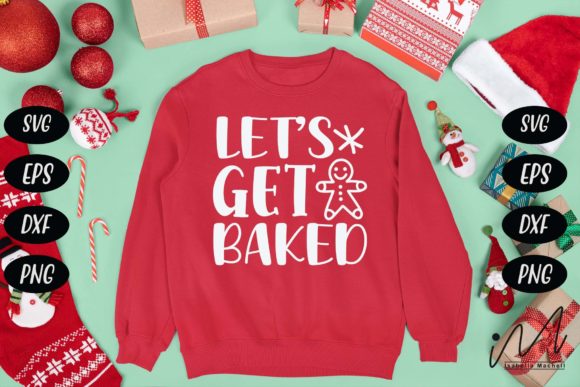
The design itself carries a specific energy. It isn’t subtle, but it isn’t trying too hard either. The quote “Let’s get baked” is casual, familiar, and instantly recognizable. For an embroidery file, this kind of text-heavy graphic can be a trap. If the kerning is off or the font weight clashes with the decorative elements, the whole piece looks amateurish. In this case, the visual personality feels balanced. It has a relaxed vibe that works well for handmade product lines focused on comfort, humor, or lifestyle branding. But does it translate from screen to fabric? That is where the real review begins.
First Impressions and Visual Mood
When I first opened the vector layers in my design software, the layout struck me as versatile. The typography is bold enough to stand out without requiring excessive thread usage, which is a smart move for efficiency. The mood is playful but grounded. It doesn’t scream for attention; it invites a smile. This makes it an excellent candidate for personalized gift scenarios. Imagine a custom embroidered tote bag handed to a friend who loves gardening or cooking—items that benefit from a touch of wit without being overly loud.
The color potential here is high because the design relies heavily on shape and line rather than intricate shading. This means you aren’t locked into one specific palette. You can swap thread colors to match seasonal trends or brand identities. For an Etsy seller or small shop product owner, this adaptability is gold. You can offer variations in mint green, mustard yellow, or classic black without needing to recreate the underlying structure.
Real-Life Application: From Screen to Stitch
I decided to test Let’s Get Baked Svg in a few different contexts to see how it performed as a machine embroidery design. My primary focus was on custom apparel and home goods, specifically sweatshirts and kitchen textiles.
On a heavy cotton canvas tote bag, the design held its own. The stability of the fabric allowed the stitches to lay flat, and the contrast between the thread and the bag material made the quote pop. It felt like a legitimate tote bag design that could sit comfortably next to higher-end boutique items. However, when I moved to a stretchy jersey knit for a baby onesie, things got tricky. While the design is cute for baby embroidery, the stretch of the fabric required careful hooping and stabilizer selection to prevent distortion. The text remained legible, but only because I used a cut-away stabilizer and reduced the speed of the machine slightly.
I also experimented with placing this on a fleece sweatshirt. Here, the design shone. The texture of the fleece hid minor imperfections in the stitching path, and the cozy aesthetic aligned perfectly with the message. It became a perfect sweatshirt embroidery piece for fall or winter collections. The design’s simplicity allowed it to feel timeless rather than trendy, which increases the perceived value of the finished product.
Where Caution Is Required
Not every surface is created equal, and Let’s Get Baked Svg has limitations that designers need to respect. I found that attempting this design in a small hoop size (under 4x4 inches) resulted in cramped lettering. The details, while not overly complex, need breathing room to be read clearly. If you are making an embroidered patch for a backpack strap, you might lose some of the charm if the scale is too tiny.
Fabric choice is equally critical. On thin or slippery fabrics like silk or lightweight rayon, the design risked puckering unless backed with a high-quality tear-away stabilizer. I would advise against using this on dark, textured fabrics like thick wool or corduroy unless you are using a very light thread color and possibly a backing layer. The contrast needs to be sharp for the message to land effectively.
Additionally, consider the end-user experience. Items with this design will likely be washed frequently—aprons, towels, and t-shirts. High-density areas can sometimes trap lint or wear down faster if the stitch density is too aggressive. While this particular file seems moderate in density, always inspect the fill areas closely. If there are large blocks of solid color, ensure your machine’s tension is calibrated to prevent thread breaks during long runs.
Practical Designer Notes for Execution
To get the most out of this digital embroidery file, I recommend following a strict pre-production checklist:
- Test on Scrap Fabric: Never run a new design directly onto your final garment. Use scraps of the exact same material to check for puckering, shifting, or tension issues.
- Check Thread Contrast: Run the design in both black and white mockups within your software. This helps you visualize how the negative space will look once stitched. Good contrast ensures readability, especially for smaller products.
- Inspect Small Details: Zoom in on the corners of the letters and any decorative accents. Ensure there are no overlapping paths that could cause needle strikes or messy jumps.
- Confirm Hoop Size: Verify that the bounding box of Let’s Get Baked Svg fits comfortably within your intended hoop size, leaving a margin for trimming and finishing.
- Stabilizer Selection: Match the stabilizer to the fabric weight. Heavy fabrics need cut-away; light fabrics may do better with water-soluble or stable tear-away options.
Commercial Viability and Brand Consistency
For those asking if this design fits into a broader craft business strategy, the answer is yes, provided you position it correctly. It works beautifully for holiday embroidery themes centered around relaxation, summer gatherings, or housewarming gifts. It’s not just a novelty item; it’s a statement piece that resonates with a specific demographic.
However, before listing this as a commercial embroidery item, double-check the licensing terms. The product description mentions SVG, DXF, EPS, and PNG formats, which suggests versatility for cutting machines as well as embroidery. If you plan to sell finished goods, ensure you have the right to do so. Many creators offer personal use licenses by default, and commercial rights may require an upgrade or separate purchase. Protecting your reputation as an Etsy seller or creative entrepreneur means being transparent about these assets.
In conclusion, Let’s Get Baked Svg is a solid addition to any designer’s library. It offers a blend of humor, simplicity, and versatility that translates well across various design assets and mediums. It respects the constraints of embroidery while still delivering a clear, engaging message. Whether you are creating a single personalized gift for a loved one or building a catalog of small shop products, this design provides a reliable foundation. Just remember: the best embroidery comes from thoughtful preparation. Test thoroughly, choose your materials wisely, and let the quality of your execution speak for itself.
By treating this file not just as a graphic but as a technical blueprint, you elevate the final result. It moves beyond a simple graphics download into a tangible, wearable piece of art. That shift in perspective is what separates hobbyists from professionals, and it’s the key to making Let’s Get Baked Svg work for you.