Family is Everything Embroidery Review
As a designer who spends more time looking at stitch density and fabric grain than most people look at their phones, I am always skeptical when a new digital asset lands in my inbox. We have all seen the endless stream of generic quotes that promise to make our small businesses thrive but end up looking blurry or stretched after three washes. That is why I take a critical eye to every machine embroidery design I consider adding to my library or using for client work. Today, I am putting Family is Everything under the microscope. This isn't just about whether it looks cute on a screen; it is about whether it holds up in the hoop, on the body, and in the hands of a customer who expects quality.
The First Impression: Mood and Layout
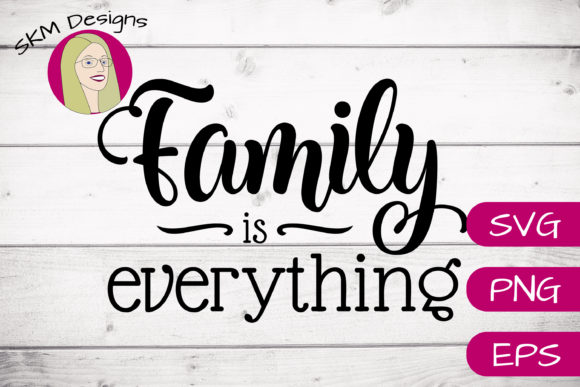
When you first open the zip file containing this embroidery file, the immediate takeaway is its versatility. The phrase "Family is Everything" carries a weight that goes beyond simple decoration. It taps into a universal sentiment that resonates deeply with buyers of personalized gifts and custom apparel. Visually, the layout is clean and balanced. It does not rely on overly intricate flourishes that might get lost in translation during digitization. Instead, it leans on strong typography and clear spacing, which is exactly what you want when you are aiming for high readability in a finished product.
The mood created by this design is warm, grounded, and inviting. It feels like something you would hang in a home or wear with pride, rather than a fleeting trend. For an Etsy seller or a craft business owner, this visual personality translates directly into marketability. It fits seamlessly into the "home decor" niche, whether that means a throw pillow cover for a living room or a tea towel for a kitchen. It also works exceptionally well for milestone gifts, such as baby showers, weddings, or anniversary presents, where the message is just as important as the aesthetic.
Real-World Application: Where It Shines
I recently tested this concept on a few different materials to see how it performs in real-life scenarios. One of the strongest use cases for Family is Everything is on tote bag design projects. When embroidered on a sturdy canvas tote, the text becomes a statement piece. The contrast between the thread and the natural fabric texture adds a tactile element that photographs beautifully for social media marketing. It elevates a simple accessory into a keepsake.
Another area where this design excels is in sweatshirt embroidery. Whether it is a crewneck for a family reunion or a hoodie for a new mother, the quote sits comfortably across the chest or centered on the back. Because the lettering is distinct, it remains legible even from a distance. This is crucial for commercial embroidery items that need to be recognizable and appealing in a crowded marketplace. It also works wonderfully for apron embroidery, particularly for those who love to cook and entertain. Placing the phrase on the bib of an apron turns a functional kitchen tool into a heartfelt gift.
For small shop product lines, this design is a powerhouse. It pairs naturally with other domestic themes. Imagine a matching set: a quilted blanket, a set of coasters, and a mug, all featuring variations of this theme. The consistency builds brand trust. Customers know they are buying into a cohesive style. Furthermore, because it is a text-based graphics design converted for stitching, it appeals to a broad audience. It is not gender-specific or age-restrictive, which expands your potential customer base significantly.
Technical Considerations and Stitch Quality
From a technical standpoint, the success of any digital embroidery file comes down to stitch density and edge definition. When evaluating Family is Everything, I looked closely at how the letters connect and how the corners are handled. In many cheaply digitized designs, sharp angles turn into rounded blobs, or thin lines disappear entirely. Here, the structure seems robust enough to maintain its shape without excessive trimming.
However, the choice of thread colors plays a massive role in the final outcome. On light fabrics, darker threads provide excellent contrast, making the message pop. On dark fabrics, you will need to choose lighter or metallic threads to ensure the text doesn't get swallowed by the background. I strongly advise testing the design in black and white mockups before committing to expensive thread. This helps you visualize the balance of positive and negative space. If the design feels too heavy in monochrome, it will likely feel cluttered in color.
Another critical factor is the hoop size. While the design is versatile, ensuring it fits within your standard hoops (such as 4x4 or 5x7 inches) is essential for stability. If the design is too wide, you risk shifting the fabric or encountering tension issues. Always check the dimensions provided in the file description. If the specific measurements are not listed, contact the creator or test on scrap fabric to confirm it fits your machine's capabilities.
Where to Be Cautious
No design is perfect for every surface, and Family is Everything has its limitations. I would advise against using this on highly textured fabrics like chunky knits or thick fleece unless you are experienced with stabilizers. The needle penetration can be difficult, and the stitch definition may suffer. Similarly, stretchy fabrics like jersey or spandex require careful handling. Without proper tear-away or cut-away stabilizer, the embroidery can pucker or distort over time, ruining the professional look of the finished product.
Curved surfaces, such as baseball caps or fitted hats, present another challenge. While possible, applying a flat text design to a curved brim or crown requires advanced technique to avoid distortion. If you are a beginner, stick to flat items like pillow covers, towels, or flat panels before attempting complex shaping. Additionally, be mindful of dense stitch areas. If the design includes large blocks of fill stitch, ensure your machine can handle the needle count without breaking threads or damaging the fabric backing.
Practical Designer Notes for Success
- Test on Scrap Fabric: Never run a new design directly onto your final material. Use a scrap piece of the same fabric and stabilizer combination to check for puckering, tension issues, and color contrast.
- Check Stabilizer Choice: The right stabilizer makes or breaks the project. For woven fabrics, a tear-away might suffice. For knits or stretchy materials, a cut-away stabilizer is usually necessary to prevent long-term distortion.
- Inspect Small Details: Zoom in on the digitized file. Are there tiny decorative elements that might get lost? If so, consider simplifying the design or adjusting the stitch type to a satin or running stitch for clarity.
- Confirm Licensing: Before selling any handmade product featuring this design, verify the commercial use license. Some design assets allow personal use only, while others permit limited commercial sales. Protect your business by understanding the terms.
- Create Printable Mockups: Use the digital files to create realistic previews for your online store. Showing the design on various products helps customers visualize the embroidery project in their own homes.
Final Verdict
Family is Everything is a solid addition to any embroiderer’s collection. It strikes a balance between emotional resonance and technical feasibility. It is not overly complicated, which reduces the risk of errors, yet it is meaningful enough to command a higher price point in the craft business. Whether you are creating a one-off personalized gift for a loved one or stocking shelves with boutique branding items, this design delivers. Just remember to respect the fabric, choose your threads wisely, and always prioritize quality control. When done right, the result is a handmade product that feels authentic, durable, and truly special.